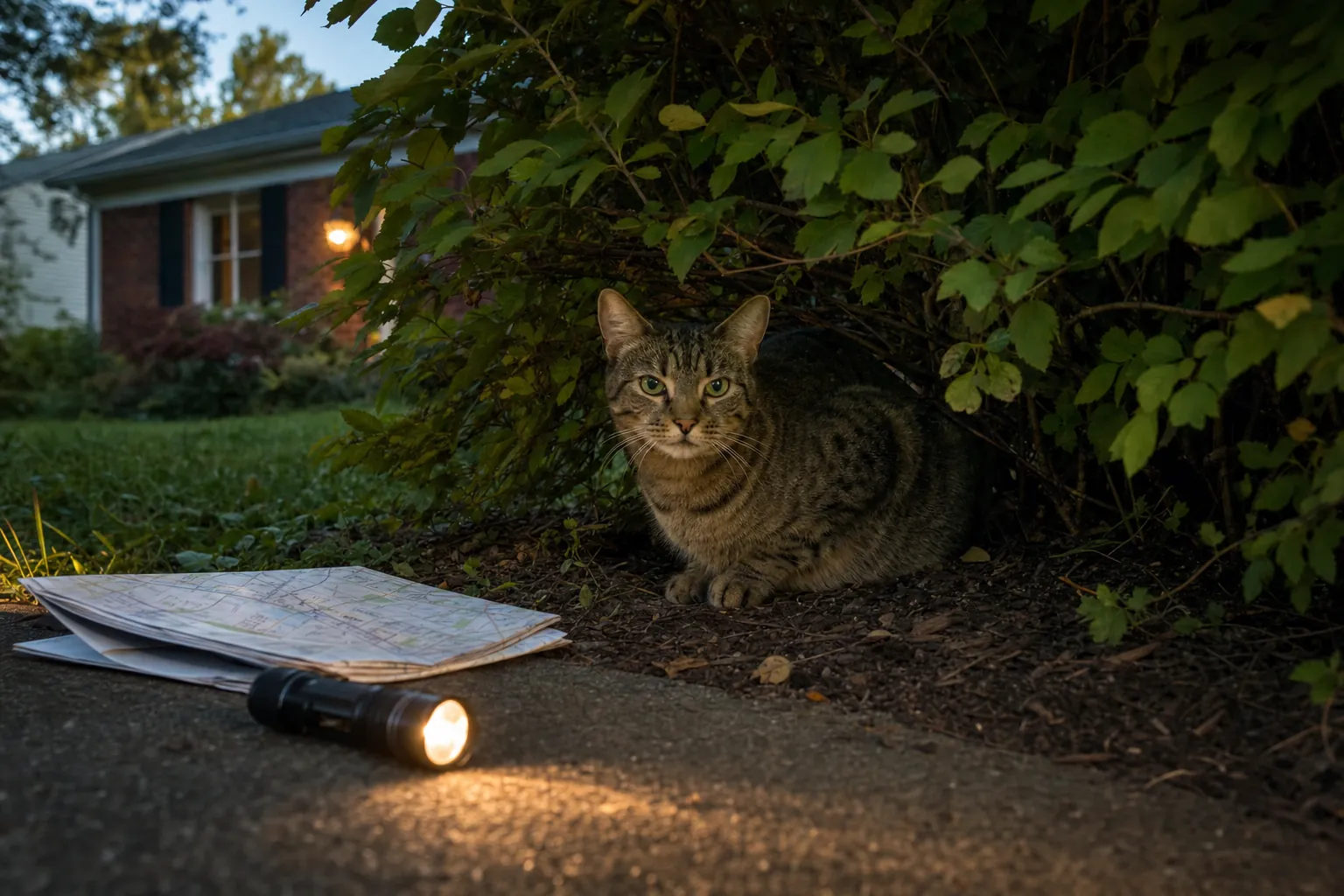
A missing cat can make every block feel equally urgent. The question, “How far do lost cats travel?” is understandable, but a single radius can send you past the places that deserve attention first. Cats do not all respond to fear, unfamiliar territory, or an interrupted routine in the same way. A better plan starts with the kind of cat you have, the way they went missing, and the real information you gather as you search.
There is no one search radius for every lost cat
Distance matters, but behavior matters first. An indoor-only cat who slips through a door into an unfamiliar yard may react very differently from an outdoor-access cat who knows the neighborhood. A cat who was chased, transported, injured, or startled by fireworks may also behave differently from their usual self. That is why the first question is not simply how many blocks to cover. It is what likely happened in the first minutes after your cat went missing.
Research on recovered cats suggests that the typical distance can differ substantially by lifestyle. The published lost-cat recovery survey cited by the Missing Animal Response Network found a median recovery distance of about 50 meters for escaped indoor-only cats and 315 meters for outdoor-access cats. A median is not a promise. Some cats are found much closer, some farther away, and the circumstances matter every time.
Use those numbers as a reason to start thoughtfully, not as an invisible circle that decides where your cat can be. A close search is not “thinking small.” It is often the most important work you can do before panic turns the search into a drive through distant streets.
1. Start close when an indoor cat escapes
An indoor-only cat who suddenly finds themselves outside is often overwhelmed by the unfamiliar sounds, smells, and open space. The Missing Animal Response Network explains that frightened displaced cats may hide quietly in protected cover instead of answering when called. Look under decks, porches, stairs, shrubs, crawl spaces, sheds, and parked vehicles. Search inside your own home again too. A cat can remain hidden in a closet, basement, garage, or vehicle longer than anyone expects.
Move slowly with a flashlight held low. Look into small openings, then pause and listen. Do not treat silence as proof that your cat is not there. A frightened cat may recognize you and still stay hidden. Ask neighbors for permission to check their yards and enclosed spaces carefully, especially the properties immediately beside, behind, and across from the escape point.
This is the same calm, close-first approach in Lindsey’s lost-cat search plan. Keep a written record of the places you searched and the time. It prevents people from repeating the same quick glance while a difficult hiding place goes unchecked.

2. Give outdoor-access cats a different starting question
When a cat usually goes outdoors and suddenly stops coming home, it is reasonable to consider a wider area. But that does not mean the close search is finished. The key question becomes: what interrupted their usual pattern? A cat may have been shut in a garage or shed, chased from familiar territory, injured, picked up by a well-meaning person, or startled into a place they do not know.
Start by speaking with the closest neighbors, delivery drivers, and businesses around the cat’s usual route. Ask whether a garage, outbuilding, vehicle, or construction area has been opened and closed recently. Give people a current photo and ask for the exact place and time of any sighting. A clear report can tell you whether to focus on a particular yard, direction of travel, or nearby source of cover.
For an outdoor-access cat, a broader alert can be useful alongside the physical search. File reports with local shelters, animal control, nearby veterinary clinics, and your microchip company. The Pet FBI lost-cat action plan is a useful reference for building that wider notification work without losing the practical search at home.
3. Let confirmed sightings set the next radius
A search radius should expand because something tells you to expand it. A camera image, a clear photo, a neighbor who recognizes your cat, or a report with a precise time and location is useful information. A vague message that someone saw “a cat like yours” two miles away is worth recording, but it should not pull every helper away from the places closest to home.
Make a simple log with five details: when the cat was seen, where, who reported it, what they noticed, and what happened next. Separate confirmed sightings from possible ones. That distinction protects your energy and makes patterns easier to see. If your cat is seen near the same property more than once, the next move may be a quiet observation plan instead of a larger foot search.
Your nighttime cat search can be especially useful when a close area becomes quieter. A slow flashlight pass, a pause to listen, and a check of known cover may reveal more than another hurried loop around the neighborhood.

4. Do not wait for a cat to find their way home
Some cats do return on their own, particularly if they remain in familiar territory and feel safe enough to move. That possibility can be comforting, but it should not become the whole plan. A cat may be close and frightened, trapped in an enclosed space, injured, or unable to navigate back through an unfamiliar area. Active searching gives you a better chance of learning what is actually happening.
Keep your home or the escape point calm and accessible when it is safe to do so. Ask family members and neighbors to watch for your cat without chasing or gathering a crowd. Use one clear contact number on your flyers and reports. If someone believes they have found your cat, ask for a current photo or a detail that was not included in your public post before you share more information or respond to any demand for money.
Be cautious with popular shortcuts. Scattering food in several places can make it harder to know where your cat is returning, and it may attract other animals. A large, unmonitored setup can add confusion instead of helping. Choose one purposeful action at a time, then let the result guide the next step.
5. Use a monitored recovery setup only when it fits
If you have a credible sighting near one place, a single monitored setup may help you learn whether your cat is visiting the area. Choose your own property or a place where you have permission. A small amount of food, water, and a wildlife camera can give you useful information about timing and activity. Keep the area away from traffic and check it responsibly.
A humane trap can be appropriate when a cat is returning to a predictable spot but will not approach. Get guidance from a shelter, rescue, or experienced local volunteer before you use one. It needs a safe location, weather protection, frequent monitoring, and a plan for any non-target animal. Do not leave a trap unattended overnight.
The purpose is not to set every tool at once. It is to create one safe chance for recovery or one clear source of information. The search should become more focused as you learn more, not more complicated.

6. When structured intuitive support may fit
Practical search work comes first. Continue checking close hiding places, notifying local animal-care resources, following up on real sightings, and getting urgent veterinary or animal-control help when there is immediate danger. If you are already taking those steps and want additional structured support, Lindsey’s Lost Pet Location Protocol is designed for active missing-pet cases.
The process begins with Animal Communication Reiki and a completed written report before map information is reviewed. It is not live tracking, ongoing monitoring, or a promise of recovery. It is supportive guidance for guardians who want a documented process alongside an active, real-world search. The lost-pet support overview explains the boundaries and what Lindsey considers before accepting a request.
For a missing dog, the behavior and recovery approach can be different. Lindsey’s lost-dog search guide can help you organize sightings, reduce pressure, and choose a safer next step.
Keep this close
Set a smarter search radius
- Start with the escape point and the closest hiding places.
- Use your cat’s usual lifestyle and the escape circumstances to guide your first search.
- Ask for permission to check neighboring yards, decks, sheds, and enclosed spaces carefully.
- Record exact times and places so confirmed sightings determine where you expand next.
- Use a camera or humane trap only with permission, monitoring, and a clear purpose.
Frequently asked questions
Questions pet guardians often ask
How far do indoor-only cats usually travel when lost?
There is no guaranteed distance, but many indoor-only cats that escape into unfamiliar territory hide close to the escape point. Start with a slow, physical search of your home, yard, and neighboring properties before widening the area. A frightened cat can stay silent even when they hear you nearby.
How far do outdoor cats travel when they go missing?
Outdoor-access cats may travel farther than indoor-only cats, especially if they are social, were chased from familiar territory, or were transported somewhere unfamiliar. Use a wider notice area when the situation calls for it, but still search nearby cover carefully because illness, injury, or fear can change a cat’s usual behavior.
Can a lost cat find its way home?
Some cats do return on their own, especially when they are calm and remain within familiar territory. It is not a reason to wait. A missing cat may be close but frightened, injured, trapped, or unable to return. Search actively, report the cat missing, and respond to confirmed sightings.
Should I put out litter to help my cat find home?
Do not rely on litter as your search plan. Focus first on a careful close search, permission to check neighboring hiding places, current lost-pet reports, and a monitored recovery setup when there is a reason to use one. Ask a shelter or experienced recovery volunteer for local guidance before adding food, cameras, or a humane trap.
When should I widen the search for my lost cat?
Widen your search when a confirmed sighting, camera image, reliable report, or the circumstances of the escape point to a larger area. Keep your close search going as you expand. The best next radius comes from information, not from panic or a single rule about how far cats travel.
Related posts
Continue your search planning
Lost Pet Searches
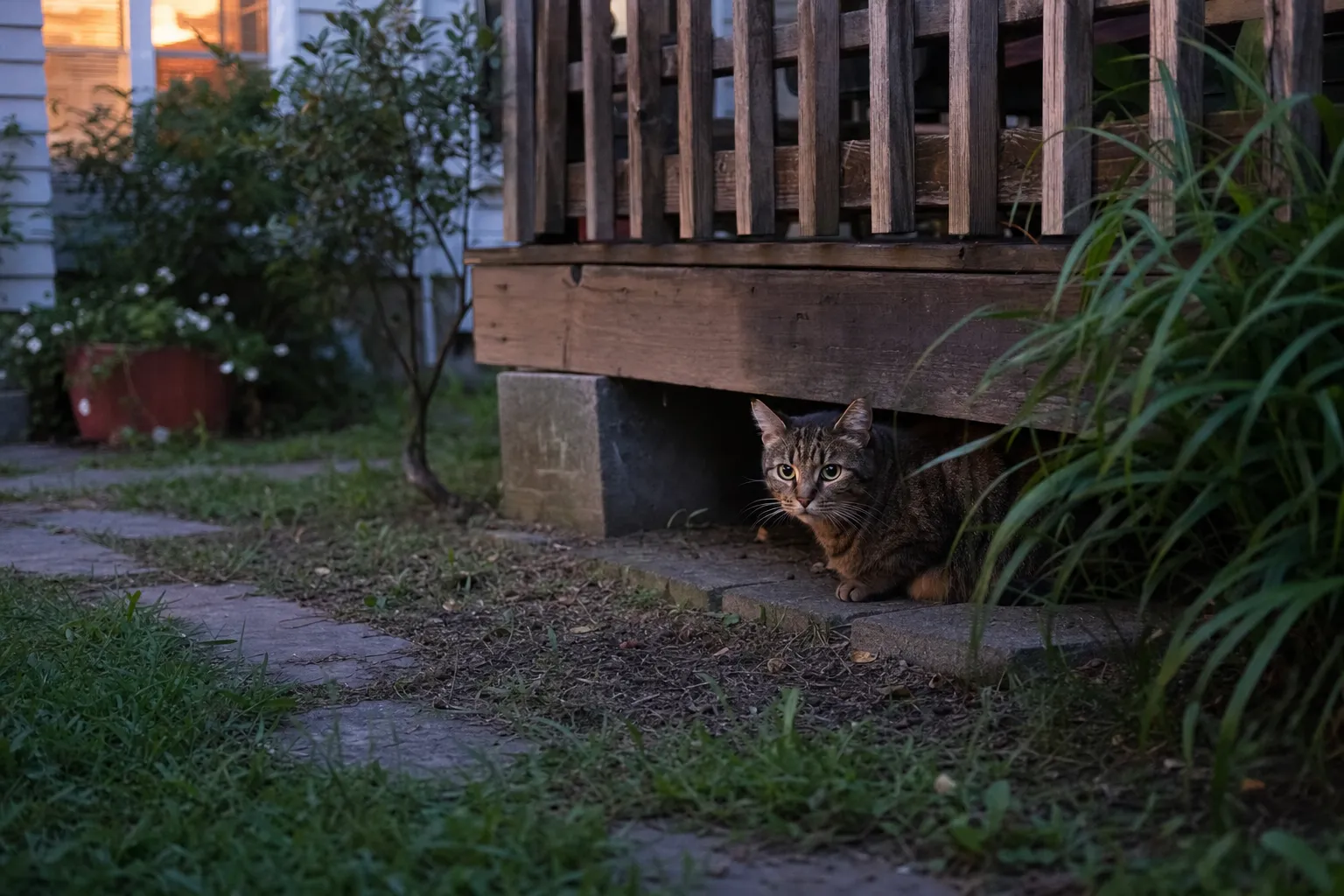
How to Find a Lost Cat: A Practical Search Plan
A calm, practical guide to searching close, asking for access, using humane tools, and building a plan when your cat is missing.
Read the guide →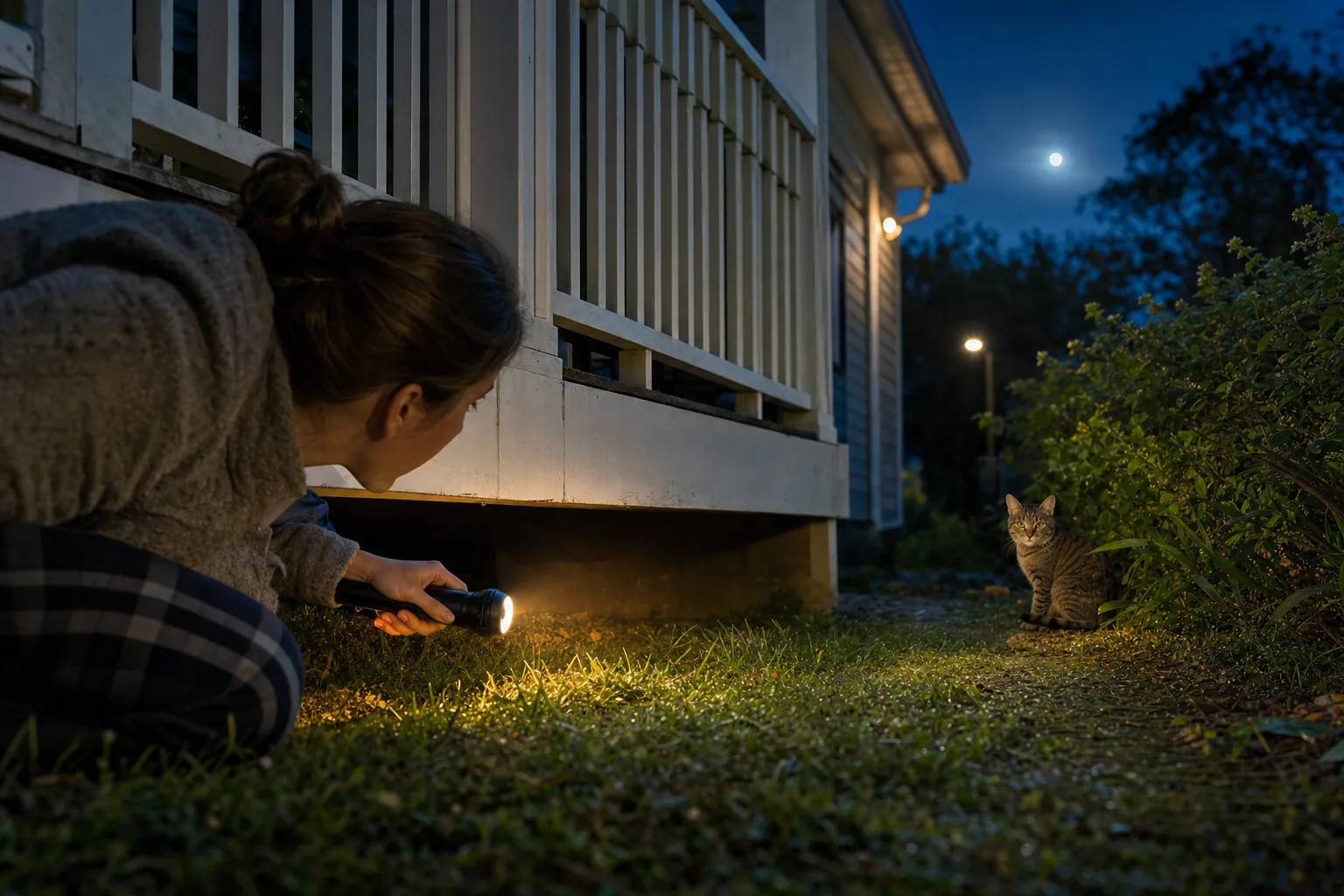
Lost Pet Searches
How to Find a Lost Cat at Night: A Calm Plan
A quiet, practical nighttime search plan for checking close hiding places, gathering sightings, and helping a missing cat feel safe enough to return.
Read the guide →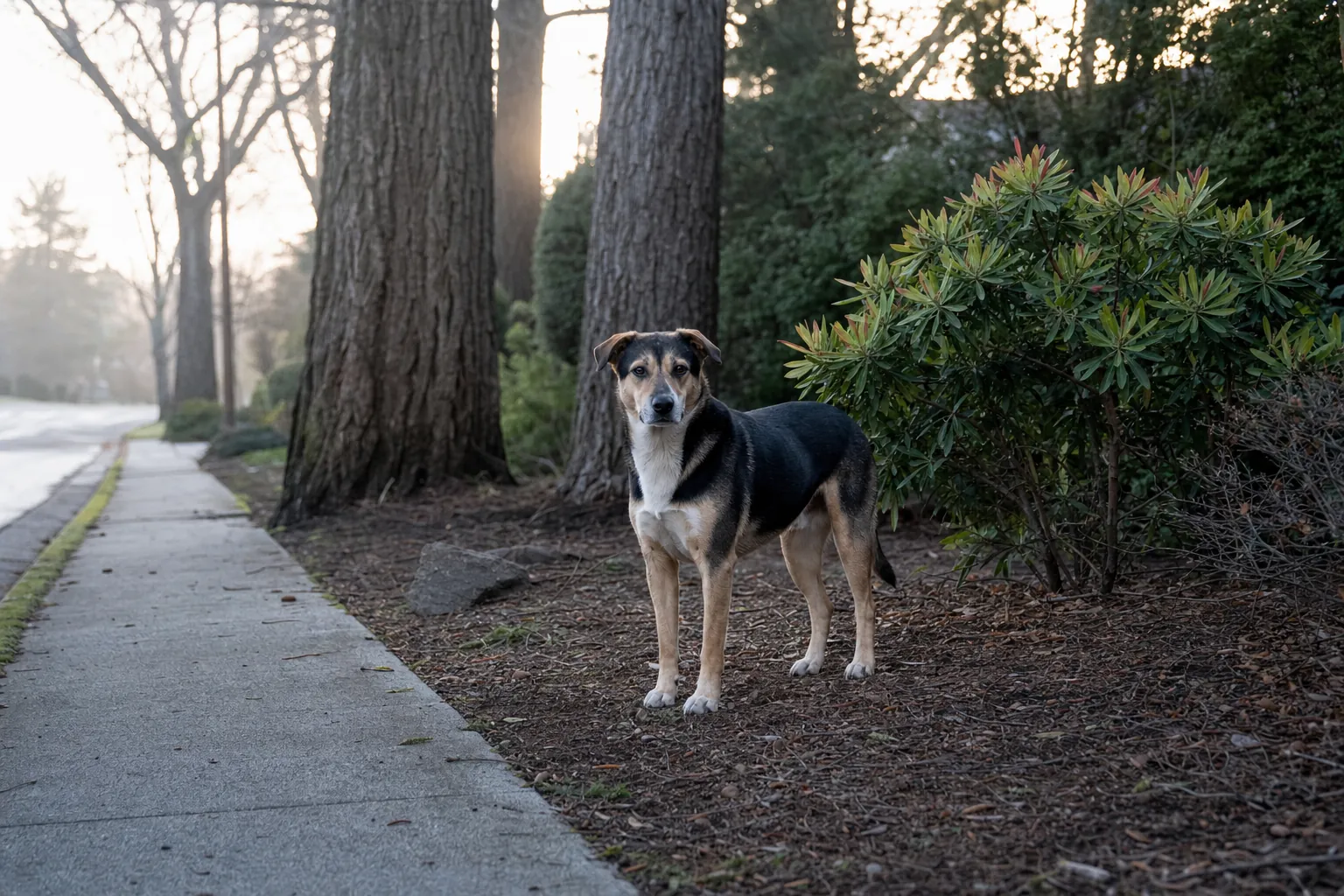
Lost Pet Searches
How to Find a Lost Dog at Night: A Practical Search Plan
A steady, practical nighttime search plan for organizing the first hours, responding safely to sightings, and bringing a missing dog home.
Read the guide →