
A lost cat flyer cannot replace a careful close search, but it can turn a neighbor’s brief sighting into a useful lead. The best flyer is not fancy. It makes your cat easy to recognize, tells a helpful person what matters, and gives them one simple way to reach you. Use the template below as a starting point, then keep your search centered on real sightings and nearby hiding places.
Start with the information a neighbor can use in seconds
When someone sees a flyer while walking a dog, driving home, or checking their mail, they will not read a long story. Give them the information that helps them recognize your cat and contact you before the moment passes. A large recent photo and a clear way to reach you do more work than a crowded page full of details.
Begin with one sharp, well-lit photo that shows your cat’s face and coat pattern. Choose a photo that looks like your cat on an ordinary day, not one filtered, distant, or heavily cropped. Include your cat’s name, a few memorable physical details, the last-known area, the date they went missing, and one phone number you can monitor. The Pet FBI flyer tool is another useful option when you need a ready-made printable format.
Keep private information private. A cross street, neighborhood, apartment complex, or nearby landmark is usually more useful than your full home address. You want people to report a sighting, not arrive at your door. If your cat is chipped, do not put the microchip number on the flyer. If you offer a reward, think carefully before printing a dollar amount, because public reward information can attract scam calls.

Copy-ready lost cat flyer template
Replace the bracketed details, add your own photo, and keep the finished page as simple as possible. If a detail does not help someone identify your cat or reach you, leave it out. Print on bright paper when you can, but make sure the text stays dark and easy to read.
LOST CAT
[CAT'S NAME]
- Color and markings: [for example: gray tabby with white chest]
- Last seen: [date] near [cross streets, neighborhood, or landmark]
- Personality: [for example: shy, may hide, do not chase]
- Helpful details: [collar color, distinctive marking, or medical need if relevant]
PLEASE CALL OR TEXT: [PHONE NUMBER]PHOTO OR EXACT LOCATION APPRECIATED
Thank you for checking garages, sheds, porches, and other enclosed hiding places.
Make the flyer readable before you make it beautiful
People should be able to understand the flyer from a few feet away. Put “LOST CAT” at the top in the largest type. Place the photo immediately below it. Use short lines and a large, dark phone number near the bottom. A bright background can help the page stand out, but dark lettering and a high-contrast photo matter more than a decorative design.
Avoid using multiple small photos, a long paragraph about how much your cat is missed, or tiny type that can only be read up close. Those details are meaningful to you, but they make the page harder for a stranger to scan. One face-forward photo, a few identifying details, and a response number are enough to get a helpful call.
For an indoor-only cat, add a short instruction such as “shy, may be hiding, please do not chase.” This gives a neighbor a useful way to respond without asking them to corner a frightened cat. For any missing cat, a clear photo and exact last-known area are more useful than guessing that the cat has traveled far. Lindsey’s lost-cat distance guide explains why starting close and following credible sightings is usually the stronger plan.
Use flyers to support a close, organized search
Start your flyer route near the place your cat went missing. Ask immediate neighbors to check garages, sheds, under-deck spaces, crawl spaces, and any other protected areas where a cat might be trapped or quietly hiding. Bring a few flyers when you ask for access, but make the direct conversation count. A flyer posted after a vague request is not the same as asking someone to look in a specific enclosed place.
Work outward only when a credible sighting, camera image, or reliable local report gives you a reason. A flyer is most effective when it creates a small network of people who know what to look for in the places your cat could realistically be. The practical lost-cat search plan can help you organize those first checks before you spend energy covering a much larger area.
Post only where it is allowed. Community boards, veterinary offices, shelters, local pet businesses, neighborhood mail areas, and permission-based storefront windows can be useful. Do not tape flyers to private property, utility poles, or places with posted restrictions. Ask first, leave the area tidy, and make a note of where each flyer went so you can return to replace or remove it.

Share the same clear message online
A printed flyer and an online post should carry the same essentials: one current photo, a short description, the last-known area, the date, and a monitored contact method. Share it with neighborhood groups, local lost-pet pages, shelters, veterinary offices, and rescues that accept reports. Keep the post easy to update when you have a credible sighting or when your cat returns.
Do not make a public post your only plan. Online comments can be incomplete, delayed, or mistaken. Treat every report as a lead to verify, not as proof. Ask for the exact location, time, direction of travel, and a current photo or video whenever possible. A clear record helps you distinguish a similar-looking cat from information that should change your search.
For a quiet evening follow-up, use the lost-cat nighttime search guide. A frightened cat may be more willing to move or respond when the area is calm, but quiet searching still works best when it follows a close-search plan and real information.
Protect yourself from reward and recovery scams
Most people who call want to help. Still, a missing-pet post can attract someone looking to exploit a worried guardian. Be cautious when a caller demands payment before showing a current photo, refuses to share a specific sighting location, or claims they need a code sent to your phone. Do not send money, gift cards, passwords, or verification codes to prove that you are the owner.
Ask for a detail that is not on the flyer, such as a distinctive marking, the type of collar, or the precise place where the cat was seen. If someone says they have your cat, ask for a current photo. If a lead sounds credible, take down the details and decide how to follow up safely. A calm record is more useful than trying to make every call fit the hope that your cat has been found.
When a cat is near traffic, injured, trapped, or in an immediate hazard, contact the appropriate local animal control, veterinarian, shelter, or experienced rescue support. The Petco Love Lost guidance is a useful companion for keeping a missing-pet report current while you continue direct search work.

Update the flyers as the search changes
Make a short list of every place you post. Check the flyers every few days, especially after rain or heavy wind. Replace damaged pages, remove any that are covered by other notices, and update your contact information if it changes. If a credible sighting shifts the search area, add new flyers where the sighting happened rather than starting over everywhere.
When your cat is home, remove the flyers promptly and thank the people who helped. A quick update can stop unnecessary calls and helps neighbors recognize the importance of future lost-pet notices. If your cat returns after a few days, consider noting the circumstances in your search log. The information can be useful if you ever need to strengthen doors, screens, collars, identification, or household routines.
Some cats do return on their own, but a careful search gives them a better chance. Lindsey’s guide on whether lost cats can find their way home explains why a safe return opportunity is helpful, but active searching should still begin right away.
When structured intuitive support may fit
Flyers work best alongside practical action: close searching, neighbor access, current reports, clear sighting notes, and urgent professional help when it is needed. If you are already doing that work and want additional structured support, Lindsey’s Lost Pet Location Protocol is designed for active missing-pet cases.
The process begins with Animal Communication Reiki and a written report completed before map information is reviewed. It does not offer live tracking, ongoing monitoring, or a promise that a pet will return. It is supportive guidance for guardians who want a documented process alongside a real-world search. The lost-pet support overview explains the service boundaries and when a request may be a fit.
Keep this close
Lost cat flyer checklist
- Use one recent, clear photo and a large “LOST CAT” headline.
- Include a brief description, last-known area, date, and one monitored contact number.
- Protect your privacy by leaving off your full address, microchip number, and unnecessary details.
- Post with permission near the last-known area, then let verified sightings guide expansion.
- Keep a list of flyer locations, update damaged notices, and remove them when your cat is home.
Frequently asked questions
Questions pet guardians often ask
What should I put on a lost cat flyer?
Use a recent, clear photo; your cat’s name; a short physical description; the last-known area; the date your cat went missing; and one monitored way to contact you. Keep the main message large enough to read quickly from a short distance.
Should I put my home address on a lost cat flyer?
Usually, no. Give the last-known neighborhood, cross streets, or a broad nearby landmark instead. You need enough information for a helpful sighting, not an invitation for strangers to come to your home.
Should I offer a reward on a lost cat flyer?
That is your decision, but never advertise a reward amount unless you are prepared for the extra scam risk it can create. Whether or not you offer one, ask any caller for a current photo or a detail that was not made public before sending money or sharing more information.
Where should I post lost cat flyers?
Start close to the escape point and work outward with permission. Nearby homes, community boards, veterinary offices, shelters, pet supply stores, and places where your cat could realistically have been seen are more useful than scattering flyers far away without a reason.
How often should I replace lost cat flyers?
Check them every few days and replace any that are wet, hidden, damaged, or missing. Update or remove them promptly when your cat is found so neighbors and local businesses know the search has ended.
Related posts
Continue your search planning
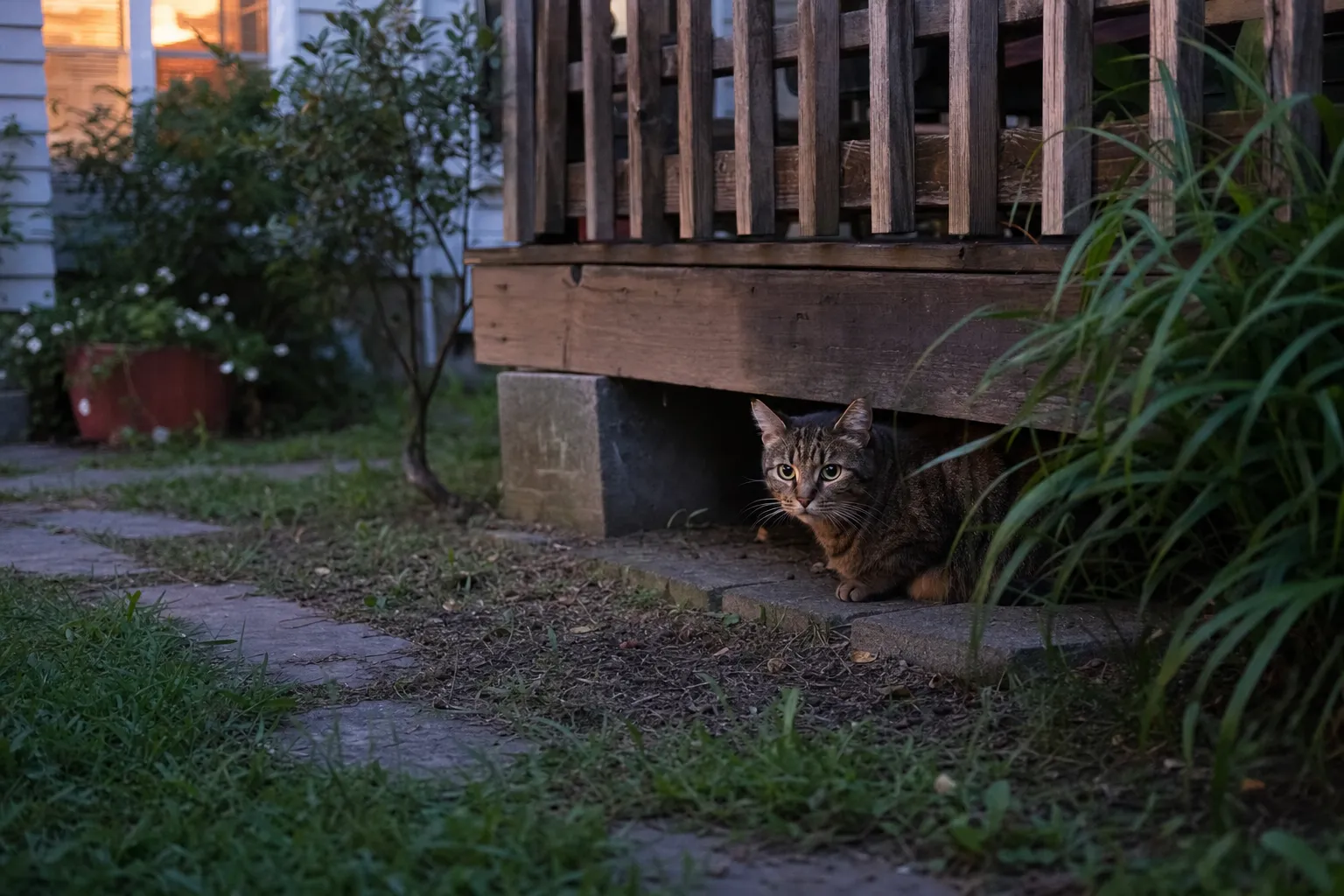
Lost Pet Searches
How to Find a Lost Cat: A Practical Search Plan
A calm, practical guide to searching close, asking for access, using humane tools, and building a plan when your cat is missing.
Read the guide →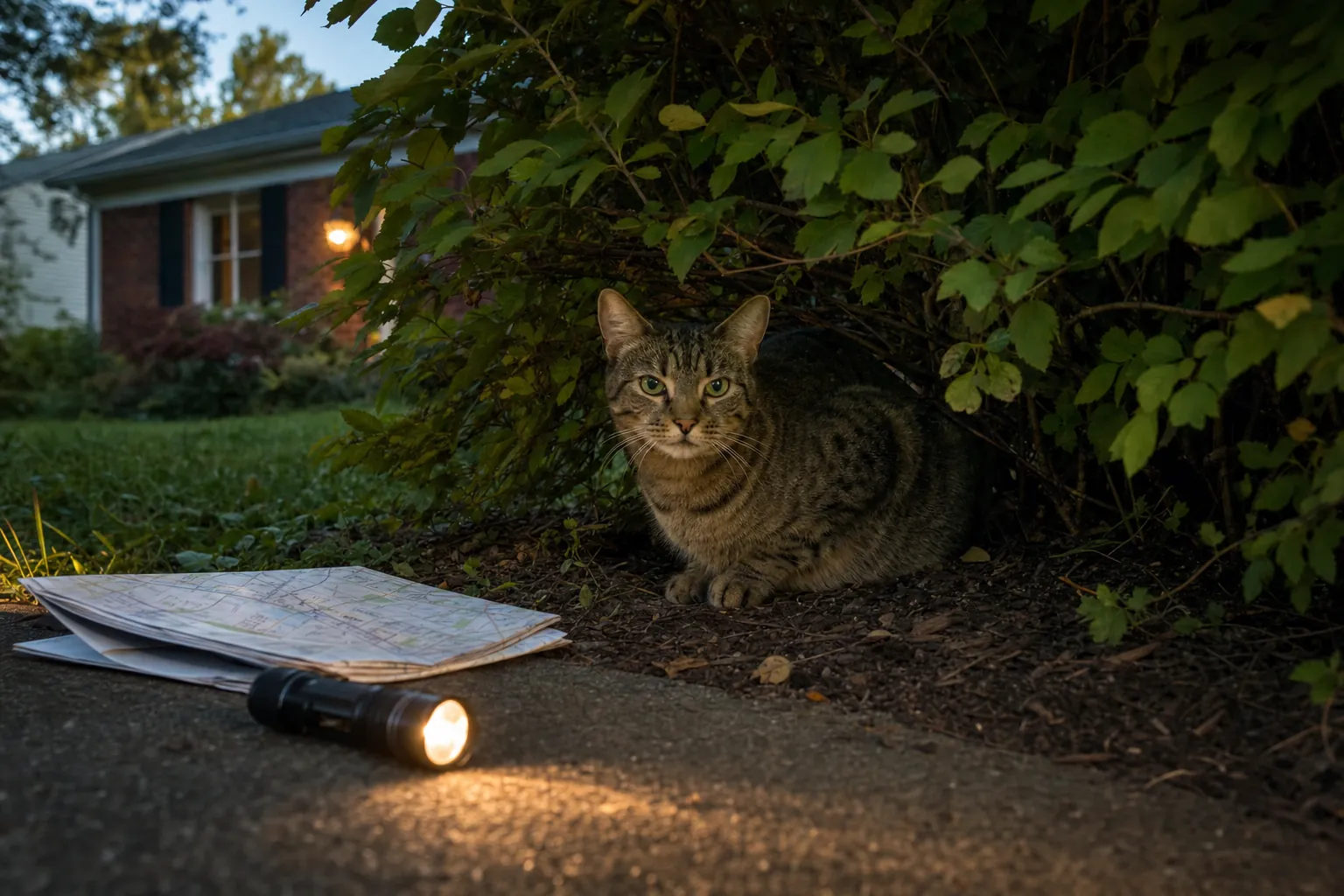
Lost Pet Searches
How Far Do Lost Cats Travel? Start Close First
A practical way to set a search radius for a missing cat, use behavior instead of guesswork, and expand only when real sightings point the way.
Read the guide →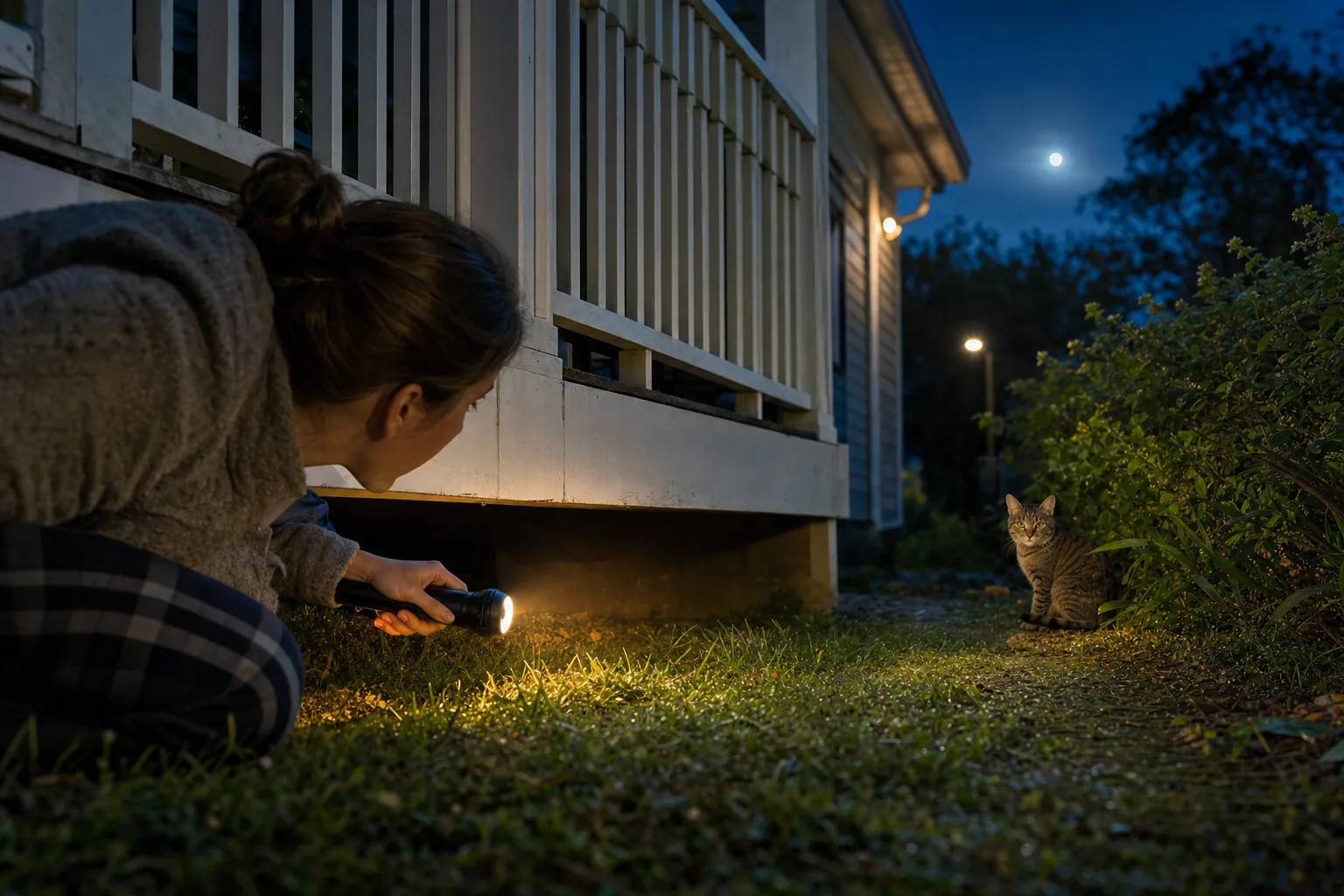
Lost Pet Searches
How to Find a Lost Cat at Night: A Calm Plan
A quiet, practical nighttime search plan for checking close hiding places, gathering sightings, and helping a missing cat feel safe enough to return.
Read the guide →